Key takeaways
- 1BOLT times a pause after a normal exhale and stops at the first clear urge to breathe—not at maximum breath-hold effort.
- 2The test does not directly measure blood oxygen, arterial CO₂, lung capacity, or a medical condition.
- 3Published validation and universal population cutoffs are limited; use it as a standardized personal training baseline.
- 4Take it seated, avoid pre-test over-breathing, and stop before strain or a recovery gasp.
What BOLT stands for
BOLT means Body Oxygen Level Test, a name popularized in breath-training literature. The label is easy to misread: there is no pulse oximeter or blood sample, and the score is not an oxygen level. It is the number of seconds between a normal exhale and the first clear urge to breathe under a specific subjective stopping rule.
How to take the test
Sit quietly and let breathing settle without deliberately making it slower or deeper. Take an ordinary nasal inhale and ordinary nasal exhale. Pinch the nose and start the timer. Stop at the first definite need to breathe, release the nose, and inhale normally. If the recovery breath is a gasp, you probably held beyond the intended first-urge point.
What “first urge” means
The signal may feel like a diaphragm movement, throat sensation, swallow, or unmistakable desire to inhale. It is still a judgment call. Expect learning effects as you become familiar with the signal, and do not assume the timer isolates chemoreceptor sensitivity from attention, anxiety, starting lung volume, or technique.
What the score can tell you
Under consistent conditions, BOLT can be used as a personal record of first-urge hold time. A change may reflect respiratory pattern, tolerance of air hunger, state, technique, or familiarity. It does not identify which factor changed. The score should therefore be described as an indirect training signal, not as a laboratory measurement of CO₂ tolerance.
Why universal score ranges are risky
Breath-training systems often publish targets such as 20, 25, or 40 seconds. Those may be useful internal goals, but they are not universally accepted diagnostic thresholds. Auralize levels and pacing mappings are product categories. They should not be used to diagnose chronic over-breathing, asthma, sleep apnea, cardiovascular fitness, or athletic status.
How to improve repeatability
Test at a similar time of day, posture, and distance from food, caffeine, and exercise. Do not take deep preparatory breaths, because lowering CO₂ before the hold can extend the result. Record illness, congestion, sleep, and acute stress. Compare a rolling trend rather than reacting to one value.
How Auralize uses BOLT
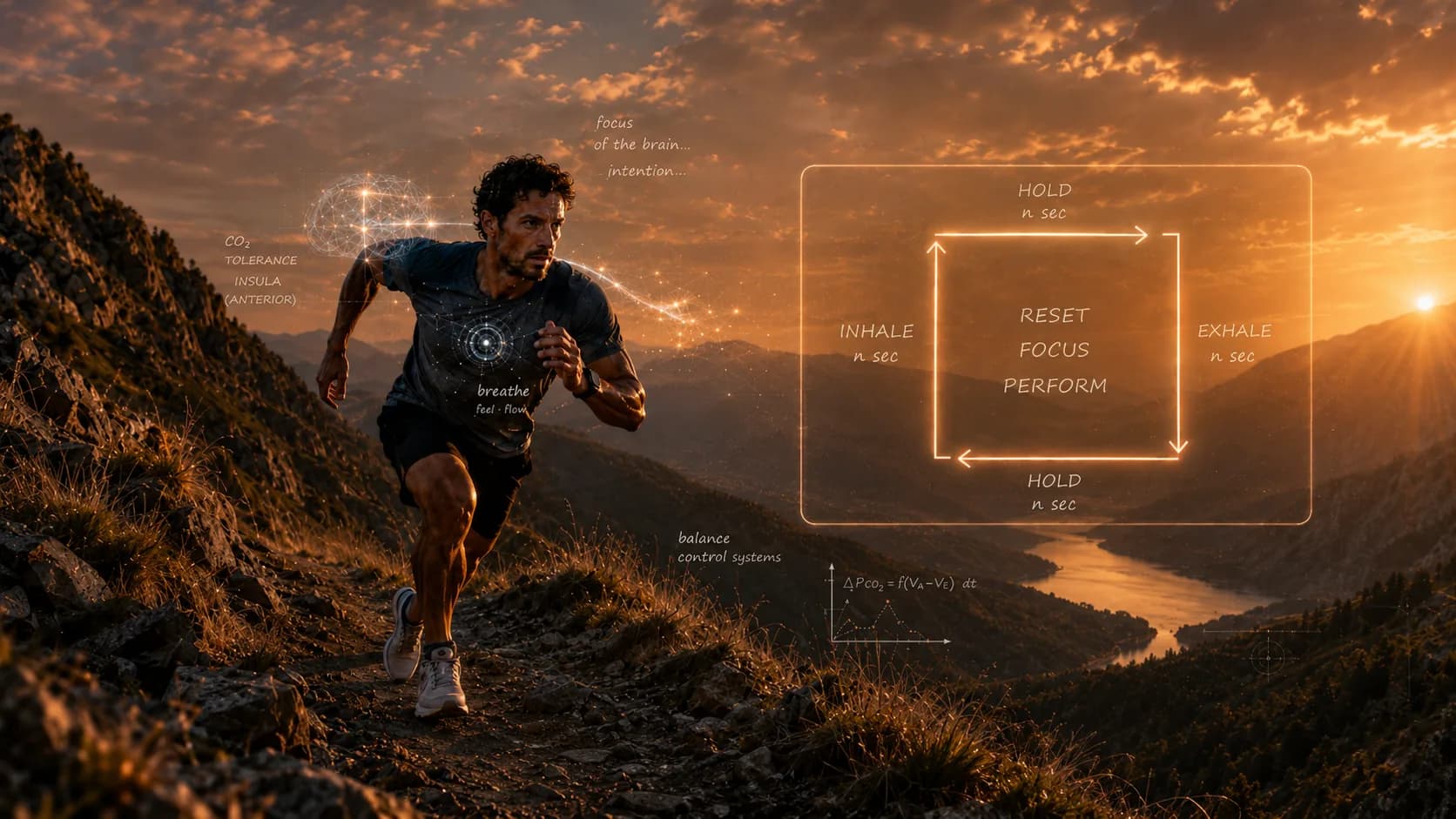
Auralize may use the score to suggest a box-breathing interval and configure the CO₂ Capacity Builder. These mappings are conservative product heuristics intended to keep practice progressive. If the suggested breathing pace creates strain, reduce it regardless of score.
Safety
BOLT is not a maximum hold. Stay seated and stop at first air hunger. Never test in water, while driving, or where dizziness would create danger. Ask a clinician before breath-hold testing if you are pregnant, prone to fainting, or have significant cardiac, neurological, or respiratory disease. Symptoms matter more than a timer; unexplained breathlessness needs medical assessment.